

Keloid Treatment in Qatar
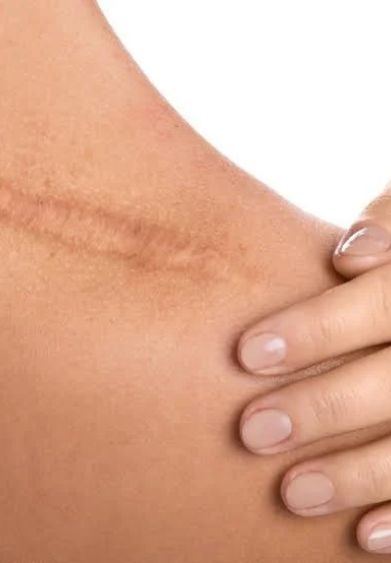
Keloid Treatment in Qatar at Dr Hessa Albuainain Medical Center focuses on assessing raised scars and recommending suitable treatment options based on each patient’s skin condition. Keloids are thick, raised scars that can develop after acne, surgery, burns, piercings, or minor skin injuries. They may grow beyond the original wound and cause itching, tenderness, discomfort, or cosmetic concerns.
If you have a raised scar that continues to grow, a dermatology consultation can help determine whether it is a keloid or another type of scar and identify an appropriate treatment plan.
What Is Keloid Scar Treatment?
Keloid scar treatment aims to reduce the thickness, firmness, itching, and appearance of raised scar tissue. The choice of treatment depends on the scar’s size, location, age, and previous response to treatment.
Unlike ordinary scars, keloids may continue to grow and can return after treatment. A dermatologist will assess the affected area and discuss realistic expectations before recommending a procedure.
Keloid Removal in Qatar: Available Treatment Options
There is no single treatment that works for every keloid. Depending on the clinical assessment, treatment options may include:
- Corticosteroid injections: These may help soften and flatten raised scar tissue and relieve itching or discomfort.
- Silicone gel or dressings: These may help improve the appearance of selected scars when used as directed.
- Cryotherapy: Freezing may be considered for certain small keloids.
- Laser treatment: Selected laser procedures may help reduce redness or improve the appearance of scar tissue.
- Surgical removal: Keloid removal surgery may be considered in selected cases, usually with additional treatment to reduce the risk of recurrence.
Not every option is suitable for every patient. Keloids can return after treatment, particularly following surgery alone. Your dermatologist can explain the benefits, limitations, and possible side effects of each approach.
For more information, read the American Academy of Dermatology’s guide to keloid diagnosis and treatment.
Keloid Treatment in Doha: When Should You See a Dermatologist?
Consider booking a dermatology consultation if a scar becomes raised, grows beyond the original wound, changes in appearance, or causes persistent itching or pain. Early assessment may help your doctor determine the most appropriate management strategy.
Keloids commonly develop on the earlobes, chest, shoulders, upper back, and jawline. They may appear weeks or months after an injury, piercing, acne breakout, or surgical procedure.
Avoid cutting, squeezing, or attempting to remove a keloid at home. These actions may irritate the skin and worsen scarring. If a scar appears without a known injury or changes unexpectedly, seek medical assessment.
You can also learn more from the NHS guide to keloid scars.
What to Expect During Your Consultation
During your appointment at Dr Hessa Albuainain Medical Center, the doctor will assess your scar, ask about previous treatments, and review your medical history where relevant. Your treatment plan will depend on the characteristics of the keloid and your individual needs.
Some patients may require multiple sessions or a combination of treatments. Follow-up appointments can help monitor progress and identify signs of recurrence. Results vary, and complete removal without recurrence cannot be guaranteed.
For related skin concerns, explore our dermatology services and discuss the most appropriate care with your doctor.
Book a Keloid Consultation in Qatar
If you are concerned about a raised scar, arrange a consultation at Dr Hessa Albuainain Medical Center. Our team can help you understand the available options and guide you towards a treatment plan following medical assessment.
Contact us to book your appointment: 33058391.
Treatment suitability and expected results depend on the doctor’s assessment. No treatment can guarantee that a keloid will not return.