

Urticaria Treatment in Qatar
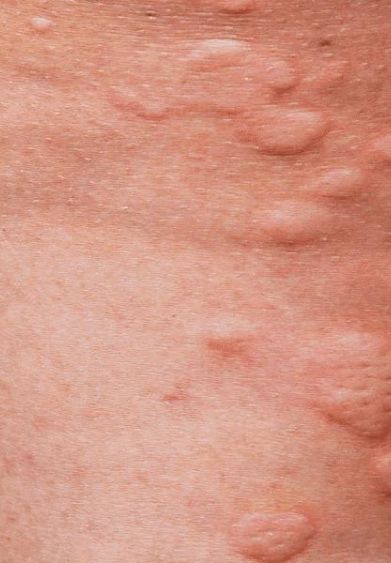
Urticaria, commonly known as hives, is a skin condition that causes raised, itchy welts on the skin. These welts may appear suddenly on different parts of the body and can vary in size, shape, and location. At Dr Hessa Medical Center in Qatar, patients can seek professional medical evaluation to understand their skin symptoms and explore appropriate care options.
If you are looking for Urticaria Treatment in Qatar, understanding the symptoms, possible triggers, and available treatment approaches is an important first step toward better skin health.
What Is Urticaria?
Urticaria is a skin reaction that typically appears as raised, itchy bumps or patches. The affected areas may look red, pink, or similar to the surrounding skin, depending on the individual’s skin tone. Hives can appear anywhere on the body and may disappear from one area before developing in another.
Urticaria can be classified as acute or chronic. Acute urticaria usually lasts for a short period, while chronic urticaria involves recurring hives for more than six weeks. Identifying the pattern of symptoms helps a healthcare professional determine the appropriate next steps.
Common Symptoms of Urticaria
The symptoms of urticaria can differ from person to person. Common signs include:
- Raised, itchy welts that appear suddenly.
- Redness or changes in skin colour around the affected areas.
- Swelling that may affect the lips, eyelids, hands, or feet.
- Hives that change shape, size, or location.
- Recurring episodes of itching and skin irritation.
If you experience persistent or recurring symptoms, a medical assessment can help identify possible triggers and guide your care.
Urticaria Treatment in Qatar: Understanding Your Options
The appropriate approach to Urticaria Treatment in Qatar depends on the severity, duration, and possible cause of the condition. A healthcare professional may review your medical history, symptoms, medications, and potential triggers before recommending a treatment plan.
Depending on the clinical assessment, treatment may include non-drowsy antihistamines or other prescribed medicines when appropriate. Patients should follow medical advice regarding medication choice and dosage rather than self-medicating, particularly when symptoms are persistent or severe.
Avoiding identified triggers, using gentle skincare products, and applying cool compresses may also help relieve discomfort in some cases. However, treatment should be tailored to each patient’s needs.
Hives Treatment in Qatar: Identifying Possible Triggers
Hives Treatment in Qatar begins with understanding what may be causing the skin reaction. Possible triggers include certain foods, medications, insect stings, infections, heat, cold, pressure, or physical activity. In many cases, however, the exact cause of chronic hives remains unknown.
Keeping a record of flare-ups, recent medication changes, foods, and other relevant exposures may help your healthcare professional identify patterns. Do not stop prescribed medication without discussing it with your doctor.
For more information about hives and their symptoms, visit the NHS guide to hives.
Chronic Urticaria Treatment: Managing Recurring Hives
Chronic Urticaria Treatment focuses on controlling recurring symptoms, improving comfort, and identifying factors that may worsen the condition. Chronic urticaria is generally defined as hives that recur for more than six weeks.
A healthcare professional may recommend a step-by-step management plan based on your symptoms and response to treatment. Follow-up appointments may be helpful when hives persist, interfere with sleep, or affect daily activities.
Learn more about dermatology services and medical consultations at Dr Hessa Medical Center or visit the Our Doctors page.
When Should You Seek Medical Attention?
You should seek medical advice if hives are persistent, frequently recurring, painful, or associated with swelling. A clinician can assess your symptoms and determine whether further investigation or specialist care is needed.
Important: If hives occur with swelling of the tongue or throat, difficulty breathing, difficulty swallowing, or faintness, seek emergency medical care immediately, as these may indicate a serious allergic reaction.
Consult Dr Hessa Medical Center in Qatar
Every patient’s skin is different, and the right approach to urticaria depends on an individual assessment. If you are experiencing itchy welts, recurring hives, or symptoms that are affecting your daily life, professional evaluation can help you understand the condition and discuss suitable management options.
Visit Dr Hessa Medical Center to learn more about the clinic and its medical services. For general information about hives, you can also consult Cleveland Clinic’s guide to hives.
Early assessment and appropriate management can help patients better understand their symptoms and work toward improved skin comfort.