

Dry Skin Treatment in Qatar
Dry skin is a common skin concern that can cause discomfort, itching, flaking, and roughness. At Dr Hessa Albuainain Medical Center, we provide dermatology consultations to help identify the possible causes of dry skin and recommend suitable care. If you are looking for Dry Skin Treatment in Qatar, understanding your skin condition is the first step toward healthier, more comfortable skin.
What Is Xerosis? Understanding Dry Skin
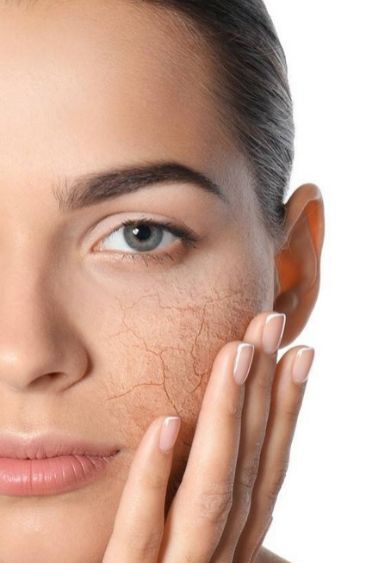
Xerosis is the medical term for dry skin. It occurs when the skin loses too much moisture or cannot retain enough water to maintain its natural protective barrier. Dry skin may affect the face, hands, arms, legs, and other areas of the body.
The severity can range from mild dryness to persistent itching, scaling, and painful cracks. Xerosis Treatment depends on the severity of the symptoms, the affected areas, and any underlying skin conditions.
Dry Skin Treatment in Qatar: Common Symptoms
Recognising the signs of dry skin can help you determine when professional advice may be needed. Common symptoms include:
- Rough or tight-feeling skin.
- White flakes or visible peeling.
- Persistent itching or irritation.
- Redness and sensitivity.
- Cracks or small fissures in severely dry skin.
- Discomfort after bathing or washing.
If these symptoms persist, worsen, or interfere with your daily activities, consult a dermatologist for an appropriate assessment.
What Causes Xerosis and Dry Skin?
Several factors can contribute to dry skin. Common causes include frequent washing, long hot showers, harsh soaps, fragranced skincare products, ageing, and low humidity. Certain medications and medical conditions, including eczema and psoriasis, may also contribute to persistent dryness.
Environmental conditions and daily habits can affect the skin’s natural moisture barrier. Identifying the underlying cause is an important part of effective Dry Skin Treatment Qatar patients may seek from a dermatology clinic.
Xerosis Treatment: How Can Dry Skin Be Managed?
The right treatment depends on the cause and severity of the dryness. A dermatologist may recommend a personalised skincare routine that includes the following measures:
1. Use Suitable Moisturisers
Creams and ointments can help retain moisture and support the skin barrier. Products containing ingredients such as glycerin, ceramides, or petrolatum may be suitable for some patients. Your dermatologist can advise which products are appropriate for your skin.
2. Avoid Harsh Cleansers
Choose gentle, fragrance-free cleansers and avoid products that leave your skin feeling tight or irritated. Very hot water and excessive washing can worsen dryness.
3. Protect Your Skin Barrier
Apply moisturiser regularly, especially after bathing while the skin is still slightly damp. Use lukewarm water and avoid excessive exfoliation when your skin is irritated.
4. Treat Underlying Skin Conditions
When dryness is associated with eczema, psoriasis, or another skin condition, treating the underlying problem may be necessary. Persistent symptoms should be assessed rather than managed with moisturisers alone.
For additional evidence-based advice, read the American Academy of Dermatology’s guide to dry skin diagnosis and treatment.
When Should You See a Dry Skin Dermatologist in Qatar?
Consider consulting a dermatologist if your skin remains dry despite regular moisturising, if itching affects your sleep, or if you develop deep cracks, bleeding, significant redness, or signs of infection.
At Dr Hessa Albuainain Medical Center, a dermatology consultation can help assess your symptoms and determine whether additional treatment or investigation is needed. Seeking Dry Skin Treatment in Qatar from a qualified medical professional can help you understand the cause of your symptoms and choose an appropriate care plan.
Explore our Dermatology Services and Medical Dermatology and Venereology pages to learn more about our dermatology care.
Book a Dry Skin Consultation in Qatar
Healthy skin starts with the right care. If you are experiencing persistent dryness, itching, or flaking, contact Dr Hessa Albuainain Medical Center to enquire about a dermatology consultation.
Our team can help you understand your skin concerns and discuss suitable treatment options based on your individual needs.
Book your dermatology consultation today to take the next step toward healthier, more comfortable skin.